
RUM, RHUM, RON (1)
In recent years, no alcoholic beverage on our market has experienced such a significant surge in interest as rum.
This sugarcane-based alcoholic beverage has, since the post-revolutionary era, steadily garnered a devoted following of consumers and advocates.
In the East, Back Then
Our ancestors were deprived of rum experiences due to the isolation of these countries from the Western world, leading to a preference for alcoholic beverages of different brands and qualities. Rum entered our collective consciousness as a mere substitute, an imitation of the original sugarcane-based spirit. Accessing foreign rum was largely a matter of chance, though occasionally even ordinary consumers might come across Cuban varieties. In the post-revolutionary era, the rum landscape changed significantly, albeit gradually. Today’s rum scene, however, is incredibly diverse, and those who discover rum will appreciate it primarily for its originality, the richness of its flavors, aromas, colors, and the experiences it offers.
A Historical Excursion
The history of rum is long and diverse. The story began quite subtly, with sugarcane. This sweet grass, thriving in tropical and subtropical climates, captured human attention as early as ancient times, even before Christ. It began to be cultivated in countries such as Indonesia, Papua New Guinea, India, China, and the Philippines. Thanks to traders and seafarers, it later reached the Middle East, as well as North Africa, and from there to Sicily and the Canary Islands. Sugarcane arrived in America thanks to Christopher Columbus during his second voyage to the Caribbean. It is believed that in the New World, it was initially cultivated in the Dominican Republic and Haiti (the island of Hispaniola), and later throughout the Caribbean and other tropical islands. The essential requirement of warmth and humidity for sugarcane cultivation destined these regions for its subsequent development and utilization.
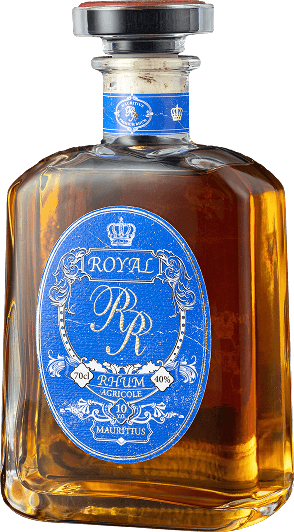
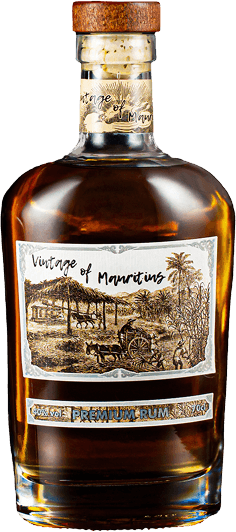
Rum is an alcoholic spirit produced by the fermentation and subsequent distillation of sugarcane molasses or sugarcane juice. The distillate, a clear liquid, typically matures in oak barrels. Most rums are produced in the Caribbean, Central and South America, but also in other sugar-producing countries such as the Philippines and Taiwan.
White Gold
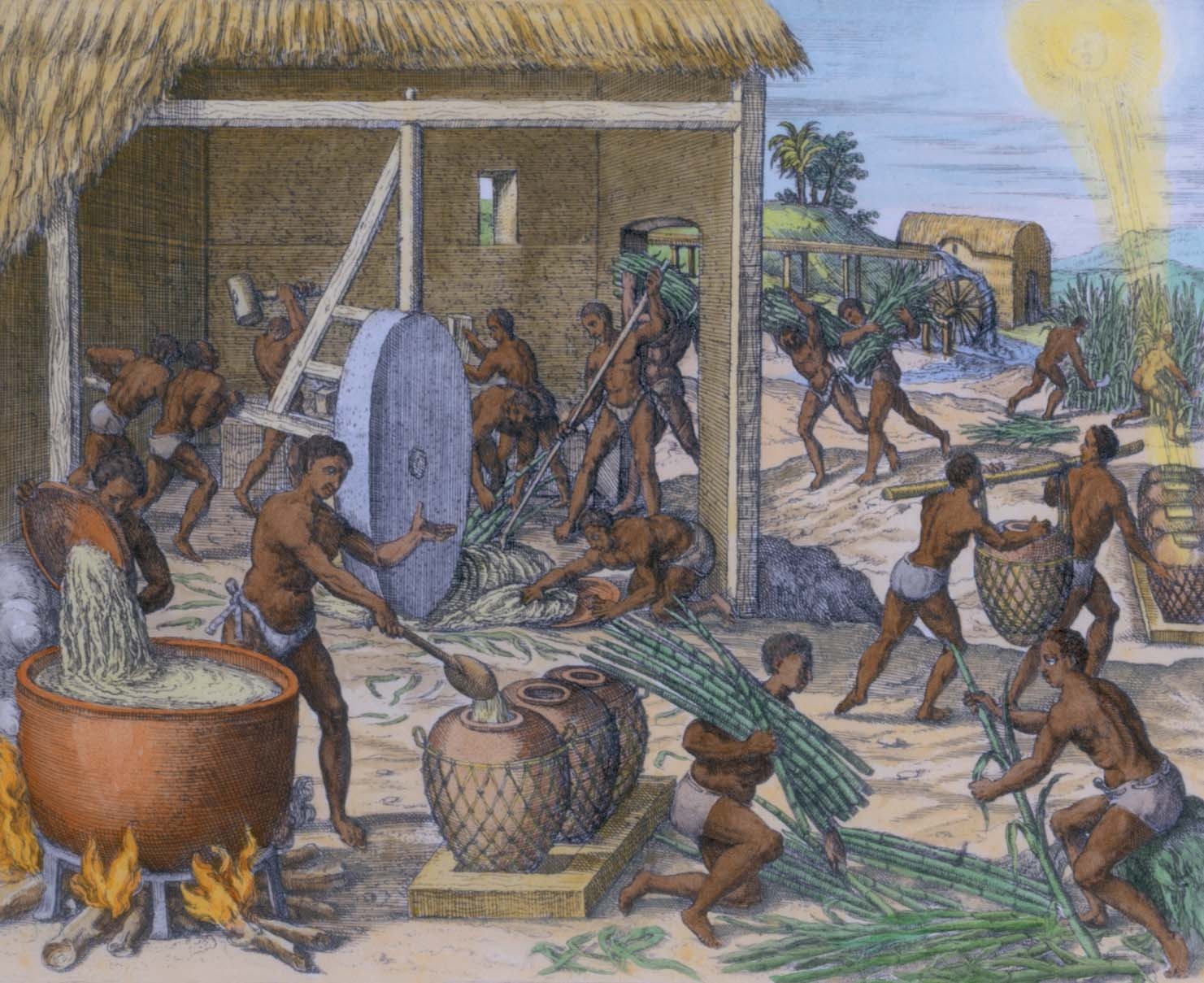
Ancient Indians and Chinese were already adept at extracting a sweetener from sugarcane. Over a long period of development, this process evolved during colonial times into the deliberate cultivation of sugarcane plantations. Sugar, as a sweetener, became ‘white gold’ and enjoyed a prolonged era of lucrative global trade. Once again, it was by chance that people, during sugar production, began to contemplate how to enhance its profitability. They discovered that molasses, a byproduct of sugar processing, could be fermented, yielding a type of sweet sugar wine. From there, it was but a small step to further distillation experiments, and the first rums came into existence. Naturally, these early iterations would be difficult to compare with today’s refined spirits, as the rum produced then was harsh, pungent, and bitter. Therefore, it also earned the name ‘Firewater’. The Spanish named rum Brebaje, the Portuguese Cachaca, the French Eau de Vie, and the English Kill Devil or Rumbullion.
The Seafarer's Beverage
From the New World, rum journeyed by sea to the Old Continent, where distillation processes and methods were gradually refined. It was during this era that rum earned its reputation as the quintessential spirit of sailors, and especially of pirates and privateers. Perhaps no one popularized rum more than the pirate Henry Morgan, the most notorious, dissolute, and feared scourge of the Caribbean. The British Royal Navy also contributed to the significant spread of rum. It was the British, with their military base in Jamaica, who discovered a beverage being consumed on French ships. It did not spoil like water and beer during long voyages. Furthermore, it kept the sailors in high spirits. For this reason, Admiral William Penn of the British Navy in the Caribbean decided in 1655 to issue regular rum rations to sailors. Later, in 1731, the rum ration even became part of the statutes of the British Royal Navy.
Raw Materials
In the early days, rum was produced exclusively from molasses. This was due to the fact that molasses could be stored for extended periods. It could be distilled throughout the year. Even today, molasses-based rums are referred to as ‘traditional rums’. By the early 20th century, rum production gradually expanded to include fresh sugarcane juice. This shift was partly driven by the decrease in beet sugar prices and the subsequent significant decline in sugarcane production. Rum produced in this manner was designated as agricultural rum or Rhum agricole, gradually gaining prominence within the expanding rum family.
A Long Journey
Over the centuries, rum has undergone a remarkable evolution. Currently, it is estimated that there are more than 16,000 types of this beverage. Its rich history, diverse flavors and aromas, varied recipes, and production methods are all integral to rum. Rum is best enjoyed with a fine cigar, chocolate, and good company…
Sugarcane
(lat. Saccharum officinarum) is a perennial herb with leaves exceeding two meters in length. It is cultivated primarily for its high sugar content. Its solid stalks, reaching two to four meters in height, are two to eight centimeters thick. The pith is rich in sucrose, fructose, and glucose, but also contains fat, organic acids, pectin, starch, and other components. The plant originates from New Guinea. According to historical sources, it was first cultivated in India. From there, it spread in all directions. It is indeed the most important cultivated grass. It is cultivated in warm regions worldwide, for example, in Cuba, Java, Southeast Asia, Egypt, and also on the southern coast of Spain. Juice is pressed from the crushed stalks, from which raw brown sugar is obtained. Through refining, pure sucrose (cane sugar) is produced from it. From the waste syrup (molasses), rum is produced by fermentation and distillation. From the remaining stalks, paper, cardboard, and insulating material are produced. The waste serves as fuel.